Best Yarn for Crochet Home Decor: A Fiber-by-Use Guide
Cotton, acrylic, wool, cord or t-shirt yarn? A fiber-by-use guide that matches each yarn to kitchen pieces, pillows, baskets, rugs and wall decor, with weight, hook and care notes.
Project at a glance
The best yarn for crochet home decor is the one whose fiber suits the job: cotton where there is heat and water, soft acrylic or wool where there is lounging, and cord or t-shirt yarn where a piece has to stand up or lie on the floor. Color comes second. Choose the fiber and weight first and the project is far more likely to behave the way you pictured it.
Start With the Job, Not the Color
Before you pick a yarn, ask four questions about the finished piece.
- Will it touch heat? If yes, only cotton or wool will do.
- Will it get wet or need frequent washing? Kitchen and bathroom pieces need a fiber that copes with water.
- Does it need to hold a shape? Baskets, trays and rugs want a dense, low-stretch yarn.
- Will skin rest on it? Pillows and throws should feel pleasant against a cheek or an arm.
The Five Decor Fibers Compared
Most home projects are made from one of five materials. Each has clear strengths and equally clear limits.
| Fiber | Strengths | Limits | Best for |
|---|---|---|---|
| Cotton | Absorbent, heat tolerant, crisp stitch definition, very little stretch | Heavy in large pieces; slow to dry; firm on the hands | Dishcloths, potholders, coasters, placemats, runners |
| Acrylic | Light, soft, wide color range, generally easy care | Can melt under heat; not absorbent; may pill with wear | Throws, pillow covers, garlands, seasonal pieces |
| Wool | Warm, springy, handles heat well, hides uneven tension | Can felt and shrink in hot water unless labeled superwash; may feel scratchy | Throws, cushions, trivets, wall hangings |
| Jute and cotton cord | Stiff and strong; makes self-supporting shapes | Rough on the hands; jute sheds and dislikes soaking | Baskets, plant hangers, trays, wall hangings |
| T-shirt yarn | Very thick, quick to work, cushioned underfoot | Heavy; thickness varies from one ball to the next | Rugs, large baskets, floor poufs |
Blends sit between their parents. A cotton-acrylic blend is lighter and softer than pure cotton, which suits pillows, but the acrylic content rules it out for anything that meets a hot dish.
Yarn Weight and Hook Size
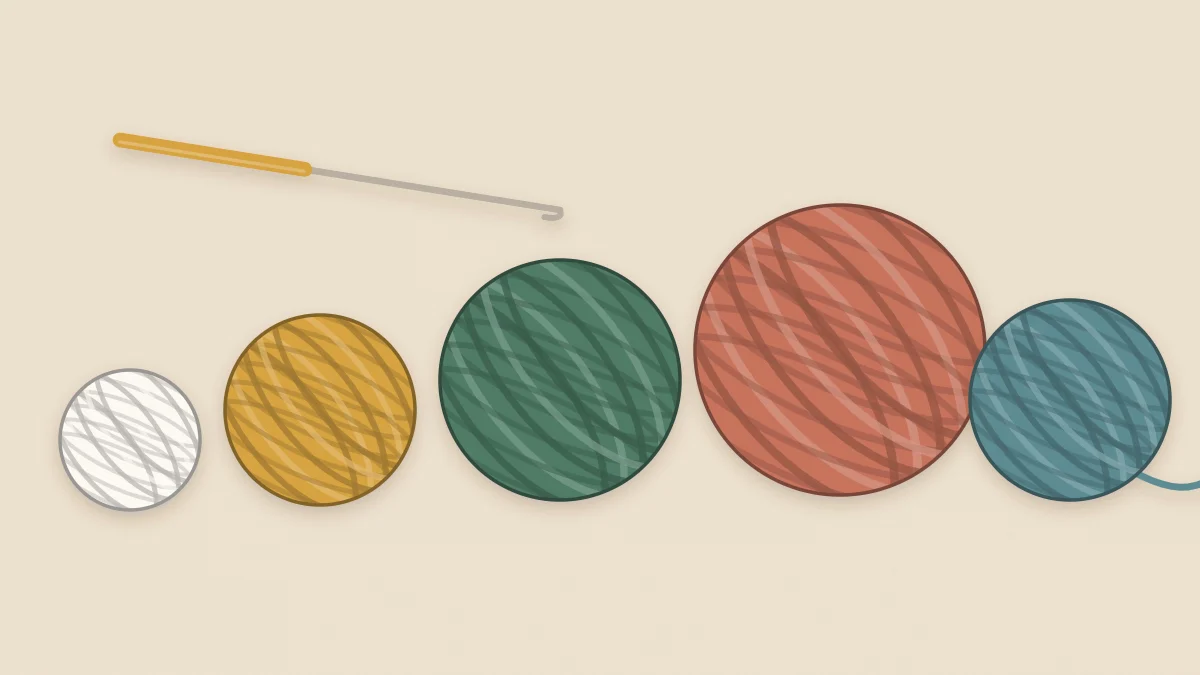
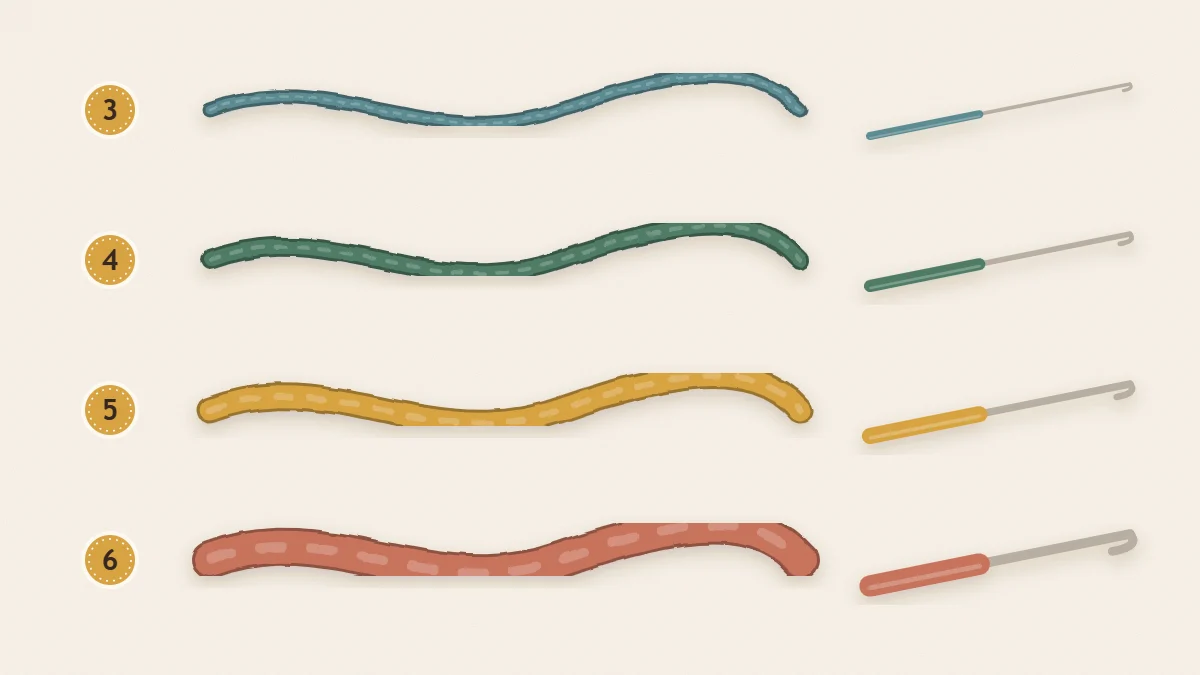
Weight is the thickness of the strand, shown on the label as a number. Thicker yarn works up faster and makes a bolder, heavier fabric. Thinner yarn gives finer detail and better drape.
| Weight | Typical hook | Good decor uses |
|---|---|---|
| #3 DK (light) | G-6 (4 mm) | Lacy runners, mandalas, small ornaments |
| #4 worsted (medium) | H-8 (5 mm) | Dishcloths, coasters, placemats, pillow covers |
| #5 bulky | K-10.5 (6.5 mm) | Bed runners, cushions, quick baskets |
| #6 super bulky | M/N-13 (9 mm) | Chunky throws, rugs, large baskets |
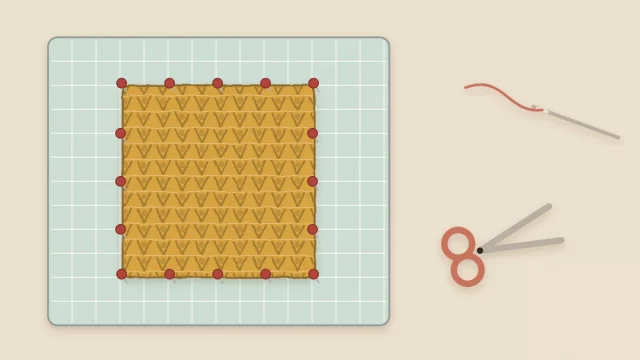
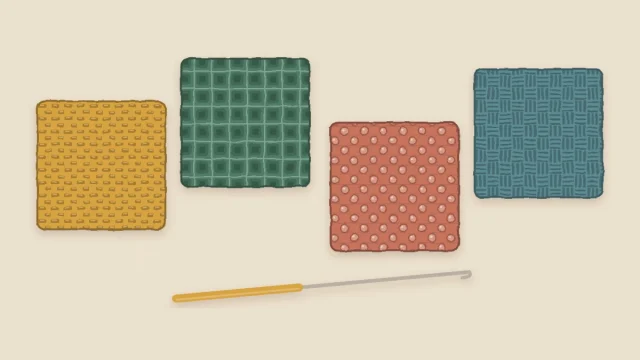
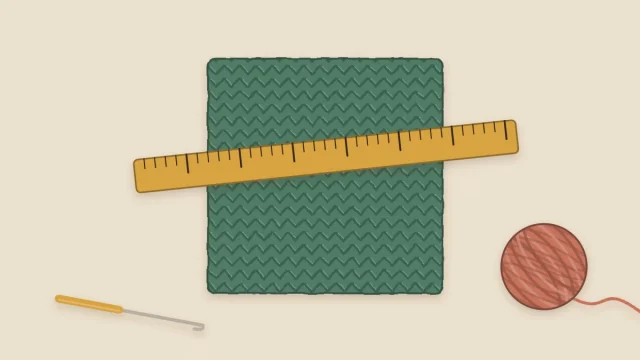
These pairings are starting points. For a stiff basket or tray, drop one or two hook sizes so the stitches pack together. For a throw that should drape, go up a size. Because the same yarn can produce quite different fabric on different hooks, a quick swatch is worth the time; the guide to sizing crochet home decor shows how to turn that swatch into stitch counts.
Which Yarn for Which Room
Kitchen and dining
Use 100% cotton in #4 worsted. It absorbs water, tolerates frequent washing and does not melt. This is a safety rule for a crochet potholder or hot pad, not a preference. Mercerized cotton is smoother and shinier but less absorbent, so save it for runners and placemats rather than dishcloths.
Pillows and throws
Softness and weight matter most here. Acrylic, wool and cotton-acrylic blends in #4 to #6 all work. A large throw in pure cotton is noticeably heavy, so choose it only if you want that weight.
Baskets and trays
Structure comes from thick, low-stretch yarn worked tightly. Cotton cord, jute, or two strands of worsted cotton held together give a crochet storage basket walls that stand without support. Soft acrylic tends to slump.
Rugs
A rug needs bulk and weight to stay put. T-shirt yarn or thick cotton cord is the usual choice for a crochet round rug. Whatever the fiber, lay a non-slip pad underneath, because crochet fabric slides on hard floors.
Wall pieces
Nothing on a wall gets handled, so almost any fiber works. Cotton and cord hold fringe well and hang straight. Keep every hanging piece well away from candles, heaters and stovetops.
Care: Read the Label First
The yarn label is the authority on washing, and it overrides any general rule. As a broad guide, cotton and acrylic are usually machine washable, untreated wool is usually hand wash only, and jute should be spot cleaned rather than soaked. Dry heavy pieces flat so their own weight does not stretch them.
Tip
Keep one label from every project, or photograph it. It records the fiber, the care symbols and the dye lot, which is exactly what you need if the piece is a gift or if you run short of yarn.
Buying Enough Yarn
Yarn is dyed in batches, and the batch is printed on the label as a dye lot. Two balls of the “same” color from different lots can differ enough to show as a stripe across a blanket. Buy everything for one project at once and check that the lot numbers match.
Compare yardage, not ball weight. Cotton is denser than acrylic, so a cotton ball of the same weight holds fewer yards. Add roughly 10 percent to a pattern’s stated yardage to cover your swatch, a border and small differences in tension.
Frequently asked questions
Can I mix different fibers in one project?
You can, as long as they are the same weight and have compatible care needs. Mixing cotton with untreated wool in one piece means washing to the more delicate fiber's rules. Never include acrylic in anything meant for hot dishes.
Does holding two strands together change the yarn weight?
Yes. Two strands of #4 worsted behave roughly like a #5 bulky to #6 super bulky yarn, so you need a larger hook and about twice the yardage. It is a common way to get a stiff basket fabric from ordinary cotton.
What is the easiest yarn to crochet with for decor?
A smooth, pale #4 worsted yarn is the easiest to see and handle. Cotton shows stitches most clearly, while acrylic is gentler on the hands during long sessions.